The Opposite of Addiction is Connection
I woke up this morning to a buddy announcing he had turned 50. It made me think about my buddies who are no longer with us: Kashi, Kyle, Eric, Pete, and Jared. For Kashi, Kyle, and Eric, either addiction or accidental overdose took them. For Pete and Jared, it was depression and suicide.
"The opposite of addiction isn’t sobriety; it's connection."
Author Johann Hari said, 'The opposite of addiction isn’t sobriety; it's connection.' When we look at the crisis facing men today, this truth becomes undeniable. Men are dying from drug overdoses at 2-3 times the rate of women. We account for nearly 80% of suicides. But these aren't just statistics; they are symptoms of a deeper root cause.
The Statistics of Isolation
Isolation is the fertile ground where these tragedies grow. Consider this:
- 15-20% of men report having 'no friends at all.' For men under 30, that number jumps to 28%.
- Only 38% of men with friends say they turn to them for emotional support.
- The majority of millennial and Gen Z men report that 'no one really knows me well.'
We are swimming in isolation. And isolation is dangerous. It interacts with depression and suicide risk, creating a vicious cycle that too many men don't survive.
Why We Start Circles
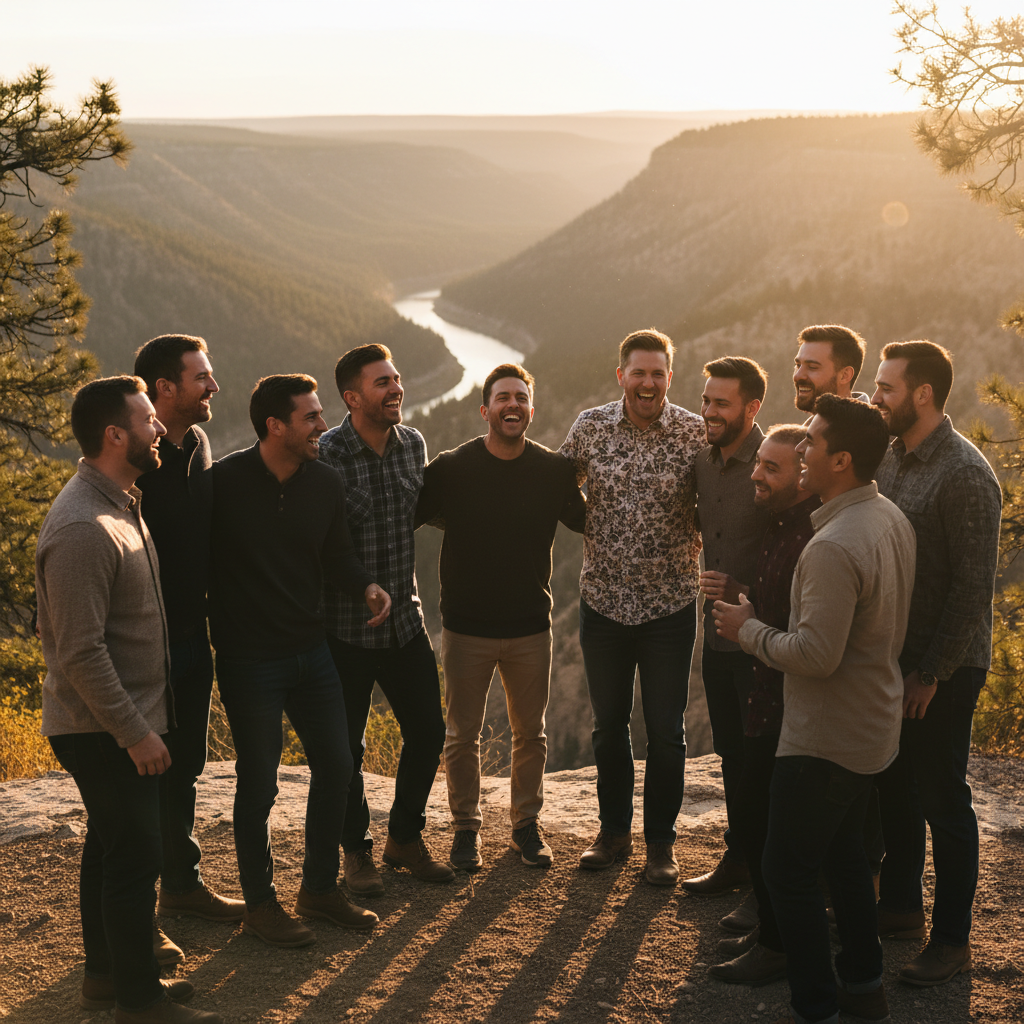
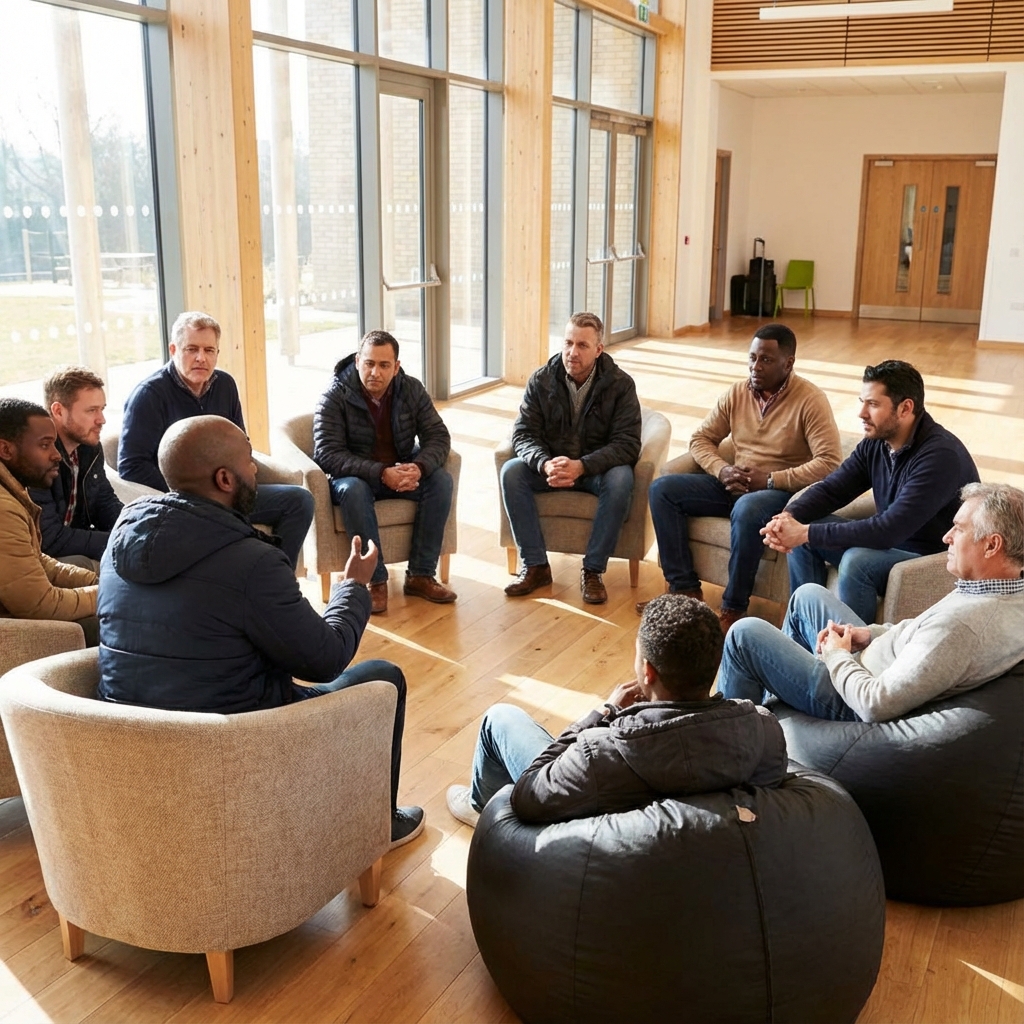
We start circles because connection is the antidote. It is the medicine. When we gather in a circle—6 to 12 men, meeting consistently—we are building the infrastructure that saves lives.
A Brotherhood circle isn't just a hangout. It's a structured space where we break the rule of silence. We ask, 'How are you really doing?' and we don't let each other off the hook. We replace isolation with belonging, drift with accountability, and confusion with identity coherence.
If you are thinking about starting a circle, know this: you aren't just organizing a meeting. You are building a lifeline.
Written by
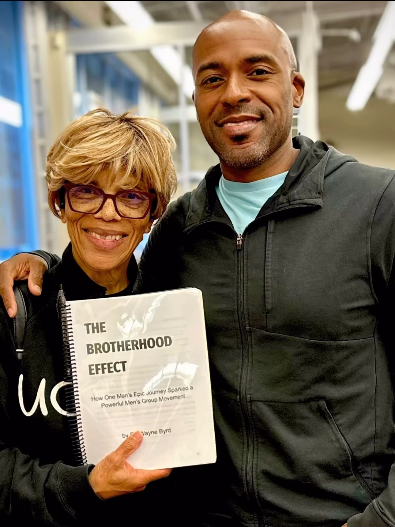
Dr. Wayne Byrd